Understanding the Bigger Role Schools Play
When people think about schools, they often think about classrooms, teachers, textbooks, and students sitting at desks. Those things are at the center of education, but after spending years working in schools, I have learned that the impact of a school extends far beyond the classroom walls.
Schools are part of a larger community. They reflect the people they serve, the challenges those families face, and the opportunities that exist around them. A successful school does not operate separately from its community. It works alongside it.
As education leaders, one of the questions we have to continually ask ourselves is simple: Are we doing everything we can to support students beyond the traditional school day?
That question does not always have an easy answer. Schools already have many responsibilities. Teachers are focused on instruction. Administrators are balancing staffing, resources, student needs, and countless daily decisions. Adding more partnerships and programs requires time and planning.
However, I have found that some of the most meaningful opportunities for students come when schools are willing to look beyond their own resources and work with the people around them.
Community Partnerships Start With Listening
One of the biggest lessons I have learned in leadership is that partnerships cannot be created from behind a desk. They start with conversations.
Before asking a business, organization, or community member for support, leaders need to understand what the community values and what students need most. The strongest partnerships are not built around what a school wants to receive. They are built around a shared understanding of how everyone can contribute.
I have often asked myself, “What opportunities are available in our community that our students may not even know exist?”
Sometimes the answer comes from a local business owner who wants to mentor students. Sometimes it comes from a community organization that sees a need and wants to help. Sometimes it comes from simply having a conversation with someone who cares about the future of young people.
The important thing is being willing to listen.
Creating Opportunities Students May Not See
Every student has different goals and interests. Some students know exactly what they want to do after graduation. Others are still discovering their strengths and exploring different paths.
Community partnerships can help students see possibilities they may not have considered.
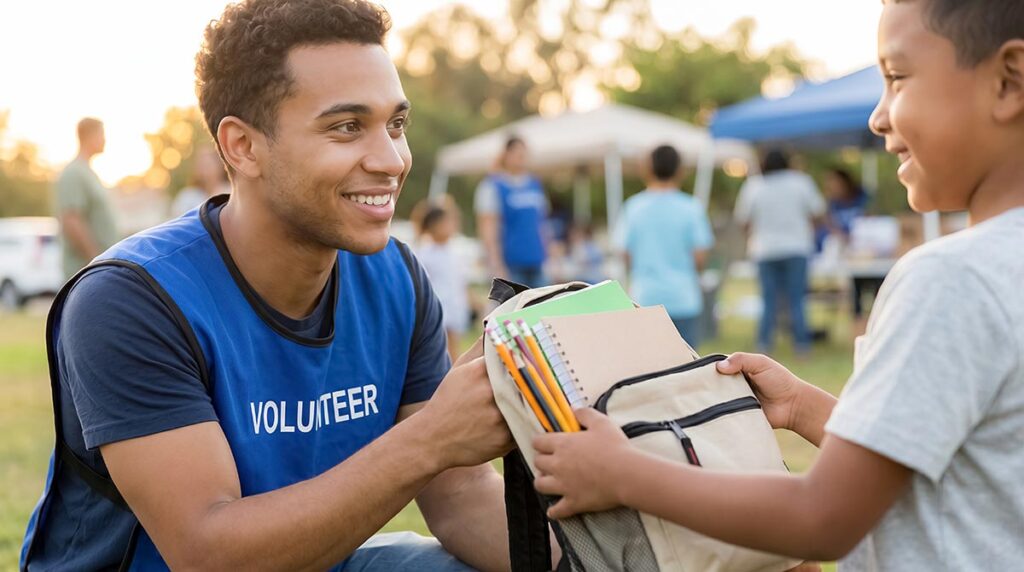
A conversation with a local professional can introduce a career path. A volunteer opportunity can help a student discover a passion for service. A community project can teach leadership and teamwork in a way that a traditional assignment cannot.
These experiences matter because education is not just about preparing students to pass tests. It is about preparing them for life.
Students need opportunities to practice communication, problem solving, responsibility, and collaboration. Those skills are developed through experiences, and partnerships help create more of those experiences.
Balancing Innovation With Reality
While I strongly believe in the value of community partnerships, I also understand the challenges that come with them.
Schools have limited time and resources. Teachers and staff already carry significant responsibilities. Every new initiative requires careful consideration.
A common question leaders must ask is, “Will this create a meaningful benefit for students, or will it simply add another responsibility?”
That is an important distinction.
Not every partnership will be the right fit. Not every opportunity will align with a school’s goals. Good leadership requires knowing when to move forward and when to recognize that an idea may not be practical at that moment.
The goal is not to create more activities. The goal is to create better opportunities.
The Power of Community Support During Challenges
One of the things that stands out about rural communities is the willingness of people to support each other. When challenges arise, schools often see the strength of those relationships.
Whether the challenge involves student support, resources, facilities, or creating new opportunities, communities often step forward when they understand the need.
That support is valuable because schools cannot do everything alone.
Education has become increasingly complex. Students face different challenges than previous generations, and schools are often asked to address academic, social, and personal needs. Having strong community partners allows schools to provide more complete support.
It reminds students that they have a network of people invested in their success.
Schools as Community Hubs
I believe schools should be places where people come together. They should be centers of learning, connection, and opportunity.
This does not mean schools need to take on every community responsibility. It means they should recognize the important role they play in bringing people together.
Events, programs, and partnerships create stronger connections between families, students, and community members. They create a sense of pride and remind everyone that education is a shared responsibility.
When students see adults working together on their behalf, they learn an important lesson. Communities succeed when people support one another.
Thinking About the Future of Education
As I look at the future of education, I believe partnerships will continue to become more important. Schools will always be responsible for teaching core subjects and helping students achieve academically, but the path to student success involves more than academics.
Students need encouragement. They need mentors. They need opportunities to explore their interests and understand how their education connects to the real world.
Community partnerships help make that possible.
The challenge for leaders is making sure those partnerships remain focused on students. It is easy to become focused on programs or appearances, but the real measure of success is whether students benefit.
Final Thoughts on Serving Students Beyond the Classroom
The most rewarding part of education is seeing students grow into confident, capable individuals. That growth does not happen because of one person or one program. It happens because many people contribute along the way.
Teachers, families, community members, and leaders all have a role to play.
Schools are strongest when they are connected to the communities they serve. Those connections create opportunities, strengthen relationships, and help students see what is possible.
At the end of the day, education is about preparing young people for their future. Sometimes the most important lessons happen outside the classroom, through the people and experiences that help students discover who they are and what they can become.