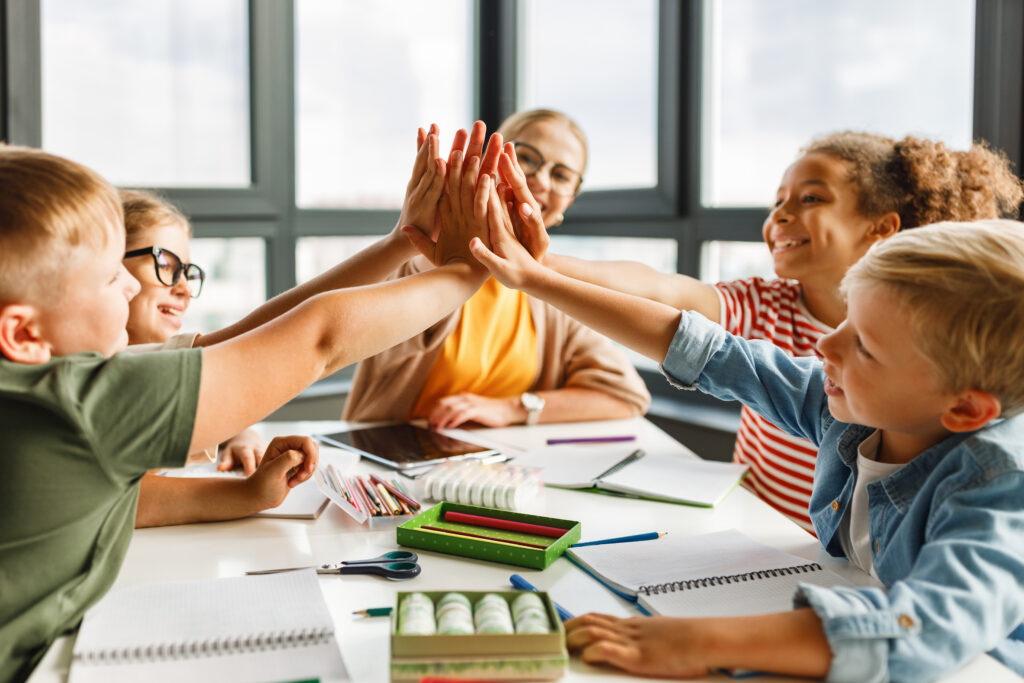
Education Is a Team Effort
One of the most important lessons I have learned throughout my career in education is that schools do not succeed on their own. Student achievement is not the result of one teacher, one administrator, or one program. It is the result of people working together toward a common goal.
Strong schools are built on strong relationships. When educators, families, businesses, community organizations, and local leaders work together, students benefit in countless ways. These connections create opportunities, provide support, and help students develop both academically and personally.
As an education leader, I have seen the power of community partnerships firsthand. Time and time again, the most successful schools are the ones where the community sees itself as part of the educational process.
“Student success grows when schools and communities move in the same direction,” I often tell parents and staff.
Why Relationships Matter in Education
At its core, education is about people. Curriculum matters. Technology matters. Facilities matter. But relationships are what bring those elements to life.
Students learn best when they feel supported. Teachers perform at their highest level when they feel valued. Families become more engaged when they feel welcomed and respected.
Relationships create trust, and trust creates the foundation for learning.
When students know that their school, family, and community are all invested in their success, they are more likely to stay engaged, work hard, and overcome challenges.
In many cases, a strong relationship can have a greater impact on a student’s future than any single lesson or assignment.
The Unique Strength of Rural Communities
One of the things I love most about working in rural education is the strong sense of community that exists in small towns.
In rural communities, schools are often the heart of the community. Friday night sporting events, concerts, academic competitions, and community celebrations bring people together in ways that create lasting connections.
These relationships create an environment where students know they are supported by more than just their teachers.
They are supported by neighbors, local business owners, volunteers, alumni, and community leaders who genuinely care about their success.
That level of involvement creates a powerful advantage for rural schools.
“When a community invests in its students, everyone benefits,” I often say.
Family Engagement Makes a Difference
Parents and guardians are a child’s first teachers. Schools achieve the best outcomes when families are active partners in education.
Family engagement does not mean parents need to have all the answers or spend hours helping with homework every night. Sometimes it is as simple as attending school events, communicating with teachers, or encouraging students to do their best.
When schools make an effort to build positive relationships with families, student achievement often improves.
Students whose families are engaged tend to have better attendance, stronger academic performance, and higher levels of motivation.
As education leaders, we must create opportunities for families to feel welcome, informed, and involved.
Community Partnerships Expand Opportunities
One of the greatest benefits of strong school-community connections is the ability to create opportunities that schools could not provide alone.
Local businesses can offer career exploration experiences. Community organizations can support mentoring programs. Volunteers can assist with events and activities. Professionals can visit classrooms and share real-world knowledge with students.
These partnerships help students see connections between what they learn in school and the opportunities available in the future.
I have seen students discover career interests because of conversations with local professionals. I have watched community mentors inspire students to pursue goals they never thought possible.
These experiences help students develop confidence and expand their vision for what they can achieve.
Building Trust Through Communication
Strong relationships require strong communication.
One of the responsibilities of educational leadership is ensuring that communication flows openly between schools and the community.
People want to understand what is happening in their schools. They want to know how decisions are made and how those decisions impact students.
Clear and consistent communication builds trust. It also creates opportunities for collaboration and problem solving.
I have found that listening is often just as important as speaking. Community members want to know that their perspectives are valued and considered.
“When people feel heard, they become partners instead of observers,” I often remind school leaders.
Creating a Culture of Shared Responsibility
The most successful schools create a culture where everyone feels responsible for student success.
Teachers have a role. Families have a role. Community members have a role. Administrators have a role. When everyone understands that they contribute to student achievement, the entire system becomes stronger.
This shared responsibility creates a positive cycle. Students feel supported. Families feel connected. Schools feel empowered. Communities become more invested.
The result is an environment where students are surrounded by people who believe in their potential and are committed to helping them succeed.
Helping Students Develop Real-World Skills
School-community partnerships do more than improve academic outcomes. They also help students develop important life skills.
Through community involvement, students learn communication, teamwork, leadership, and responsibility. They gain exposure to different careers and industries. They learn how to work with people from diverse backgrounds and experiences.
These lessons prepare students for success beyond graduation.
Whether students pursue college, technical training, military service, or careers directly after high school, strong community connections help them build the skills and confidence needed to thrive.
Looking Beyond Test Scores
Student achievement is important, but success cannot be measured solely by test scores.
True student achievement includes confidence, character, resilience, leadership, and the ability to contribute positively to society.
Strong school-community relationships help develop these qualities. They provide students with support systems, role models, and opportunities to grow in ways that extend beyond academics.
As educators, we should celebrate academic success while also recognizing the importance of developing well-rounded individuals.
Final Thoughts
Throughout my career, I have become increasingly convinced that relationships are one of the most powerful tools in education.
Programs change. Technology evolves. Educational trends come and go. But strong relationships remain at the center of successful schools.
When schools, families, businesses, and community organizations work together, students benefit. They gain access to opportunities, support, encouragement, and experiences that help them succeed both inside and outside the classroom.
The relationship advantage is real.
It is one of the reasons rural schools continue to make such a meaningful impact on students and communities.
At the end of the day, education is about people. When people come together with a shared commitment to students, extraordinary things can happen.
That is the power of strong school-community connections, and that is why they will always be one of the most important drivers of student achievement.